This Monday morning I received this link from a blog I follow (Christian Mihai) which confirmed what the weekend just passed had demanded. It is Scott Fitzgerald’s response to a script he had been sent and every aspiring writer should frame and hang it on a wall, and bow to it daily.
My ‘kill or cure’ weekend had hooked my agreement to talk (! Oh God… Talk?) to two groups, one wanting (I thought) breezy entertainment, tailored to the clock for fifteen minutes which would tell a story ( Where does mine begin or end?!) and the other to a deep-time exploring group of close friends that had never included me, for whom I was slotted in after tea which might give me time to drive from Hertfordshire to some ancient Manor near Oxford.
For weeks I had been in a spiraling panic but knowing that if I chickened out, I would never face the world again.Yet since writing ‘THE book’ I had lost all orientation and hardly knew which way was North. Sequencing and retention both evaporated, how to shape a narrative? For the first, (the 5×15 launch of the Fireside Festival) I realised I had to grasp the scorpion, and simply run with a two part story that has part been told in this blog before…The Bride and the Philosopher...and its sequel not yet recounted…The Plumber Peddling Resurrection” in which the deepest trauma underlying the book’s hand upon my collar for the whole of life rested. It involved sex, marital infidelity and the suspension of all disbelief about roughly everything…but the audience came wuth…as they say in my home; Sou’Thefrica.
In the event the story gripped, and overtime was universally demanded to ‘finish the story’.I will probably never be invited back to 5×15 (they do have a few rules and why shouldn’t they ?) but for me the heart I offered was returned unscathed and fuller than before. People trusted are usually trustworthy. I was in danger of forgetting that.
The second talk was much more of deeper and more harrowing truths I myself had not re-visited for years, until faced with this eager and attentive audience. The script prepared was discarded and I simply spoke of what I needed to say. Not to them but to myself. If you are a writer there is no place to hide. Until yesterday I had hidden behind a book.
What happened? When I have absorbed what happened I will return to tell you. Right now it feels like fearlessness, sobriety, calmness and a whole new landscape that rests in trust. Most critically I now know I can do it again, with greater discernment, ease, humour and enjoyment. That’s quite enough to be getting on with, it feels worth sharing.
Are You Mad? Involution and the Case for the Defence.
First off I must thank The Story Reading Ape for spreading a canopy in his Great Rift Valley in which to rest from the marketplace. Explaining this mad book and its genesis is a tall order. So this is a most appropriate venue, within sight of Kilimanjaro, since the book prompting this invitation, originally called ‘Full Circle’, begins and ends here. It is the story of the human Odyssey.
(In obedience to received opinion that non-fiction should ‘say what it is on the tin’, the book was rechristened ‘Involution’, with slightly gritted teeth.) I am here not so much about the book itself but to prepare my defence for thinking it might have legs, or writing it at all. Up to now, on my blog, ‘Careless Talk’ I have skirted round doing this for fear of being mistaken for a peddler- who needs philosophy? Instead I told stories by a fountain in Marrakech and made futile attempts to master the sleight of hand- the soft sell that slips down without swallowing. The ‘Book that wrote the Life’ is my umbrella, but as a guest of the Story Reading Ape I will now come clean and expose the entrails; it is not a literary conceit, but quite literally true.
As Sarah Bartlett has posted an Essay by Wendell Berry that everyone should read, I thought to un-pocket a poem of his I found lying about, saying the same thing more economically and no less urgently.
Could any world be more beautiful than the one bequeathed?
In A Motel Parking Lot, Thinking Of Dr. Williams
I.
The poem is important, but
not more than the people
whose survival it serves,
one of the necessities, so they may
speak what is true, and have
the patience for beauty: the weighted
grainfield, the shady street,
the well-laid stone and the changing tree
whose branches spread above.
For want of songs and stories
they have dug away the soil,
paved over what is left,
set up their perfunctory walls
in tribute to no god,
for the love of no man or woman,
so that the good that was here
cannot be called back
except by long waiting, by great
sorrows remembered and to come
by invoking the thunderstones
of the world, and the vivid air.
II.
The poem is important,
as the want of it
proves. It is the stewardship
of its own possibility,
the past remembering itself
in the presence of
the present, the power learned
and handed down to see
what is present
and what is not: the pavement
laid down and walked over
regardlessly–by exiles, here
only because they are passing.
Oh, remember the oaks that were
here, the leaves, purple and brown,
falling, the nuthatches walking
headfirst down the trunks,
crying “onc! onc!” in the brightness
as they are doing now
in the cemetery across the street
where the past and the dead
keep each other. To remember,
to hear and remember, is to stop
and walk on again
to a livelier, surer measure.
It is dangerous
to remember the past only
for its own sake, dangerous
to deliver a message
you did not get.
The Book that Wrote the Life: My amiable thug of a book to whom I unwisely said
‘I do’
OK. Enough already. It is time to dig deeper and get up close and personal.
Why would anyone write a new ‘Divine Comedy’? Start again. Why would an unrecognised poet and a non scientist write a poetic history of science? Well I have said it was the book that wrote the life, and choosing was never done by me.
Levels of Hell- Botticelli
I am now going to ‘come out’ and tell you what this seeming whimsy really means. Involution has caused me to ponder very deeply on how ordinary life gives evidence of it at every level. I would have no conviction if every life did not reflect it. I wrote the usual autobiography, only mine started with emerging onto the Serengeti plains and came pushing on through civilisation(s). I spent time in Greece and I absolutely loved Florence in the Renaissance, after which things rather went down hill, until I found myself beached in modern life and wondering where we might gone instead. Hence the book to find out.
‘Write what you know…’ that hoary adage implies that every writer collects a carpet bag of scraps, the better to fashion characters, places, and realistic situations. Then there is the other school of authorship, the so-called imaginatively fictional—what nobody thinks anybody knows, the fantasy, the Gothic steam punk, the sci-fi, the magic realism and mythological which are considered testament to what you cannot know but have the skill and versatility to make real and believable. They claim to be the ones who make Blue Peter toy towns out of fairy liquid bottles, metaphorically speaking.
I put it to you ladies and gentlemen; these are both drawn from a single continuum. The first writes what we know you know (yes familiar, know exactly where she stands…that part of London so well…so convincing) and the second what you once knew but have forgotten (often more convincing, probing deeper, but less definable). The layers of the subconscious furnish dreams and also fantasies, they are timeless, otherworld- penetrating, overwhelming, sometimes interlaced with surrealist extravaganzas, sometimes openly mocking, or indeed puerile. I believe that this web of connection that links each of us to one another, to those we have known in past lives; or met in dreams, finds the mouthpiece author to articulate and give them all new life through the books that enshrine them. Writing is the urge to articulate the preciousness of individuality, and make meaning of our lives (and fold in paprika or saffron dreams).
Our first book is almost always autobiographical in a narrow sense, and probably should be discarded. It sharpens the author’s familiarity with themselves, the better to apply a more detached and thoughtful eye to the components of other lives instead.
The more I read of the books people write and their relation to that author’s life and interests, the more it seems to me that books find authors by shaping their lives. Not so much ‘write what you know’ but ‘live the book first’. Authors stricken by tragedy make sense of it by writing ‘my story’,( or starting a charity) successful entrepreneurs sell success, philosophers weave philosophy into the loom of fiction, the injured write revenge, the ingenious a perfect crime, the enlightened write obliquely since they have nothing to sell but belief. Or they channel inspiration like St John of the Cross, Kahlil Gibran or Rumi, and become immortal in the literary sense. Shakespeare had to be Prospero first to whip up a Tempest.
Living forever, the immortality that writing implies and seeks, is, I think, what lies at the root of its compulsion. The writing calls for a reader to make a deeper sense of the solitude that an author’s experience wraps around his lonely shoulders.
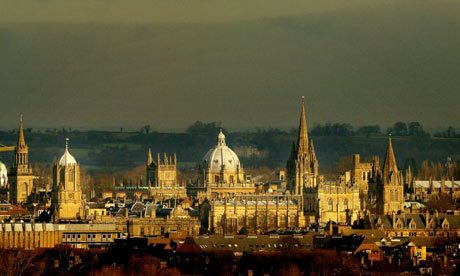
I now understand that every aspect of my life has been relevant to conceiving and then writing Involution-An Odyssey. Every scrap in the carpet bag was used, but I suspect past lives I do not consciously remember set the tempos to spend more time with Galileo and the Renaissance painters in Florence, with Kepler in Tubingen and certainly the scholastics in Oxford and with the Invisible College back in Oxford halls of open and vigorous dispute. They were all places in which I felt immediate familiarity. Just as though I had come home.
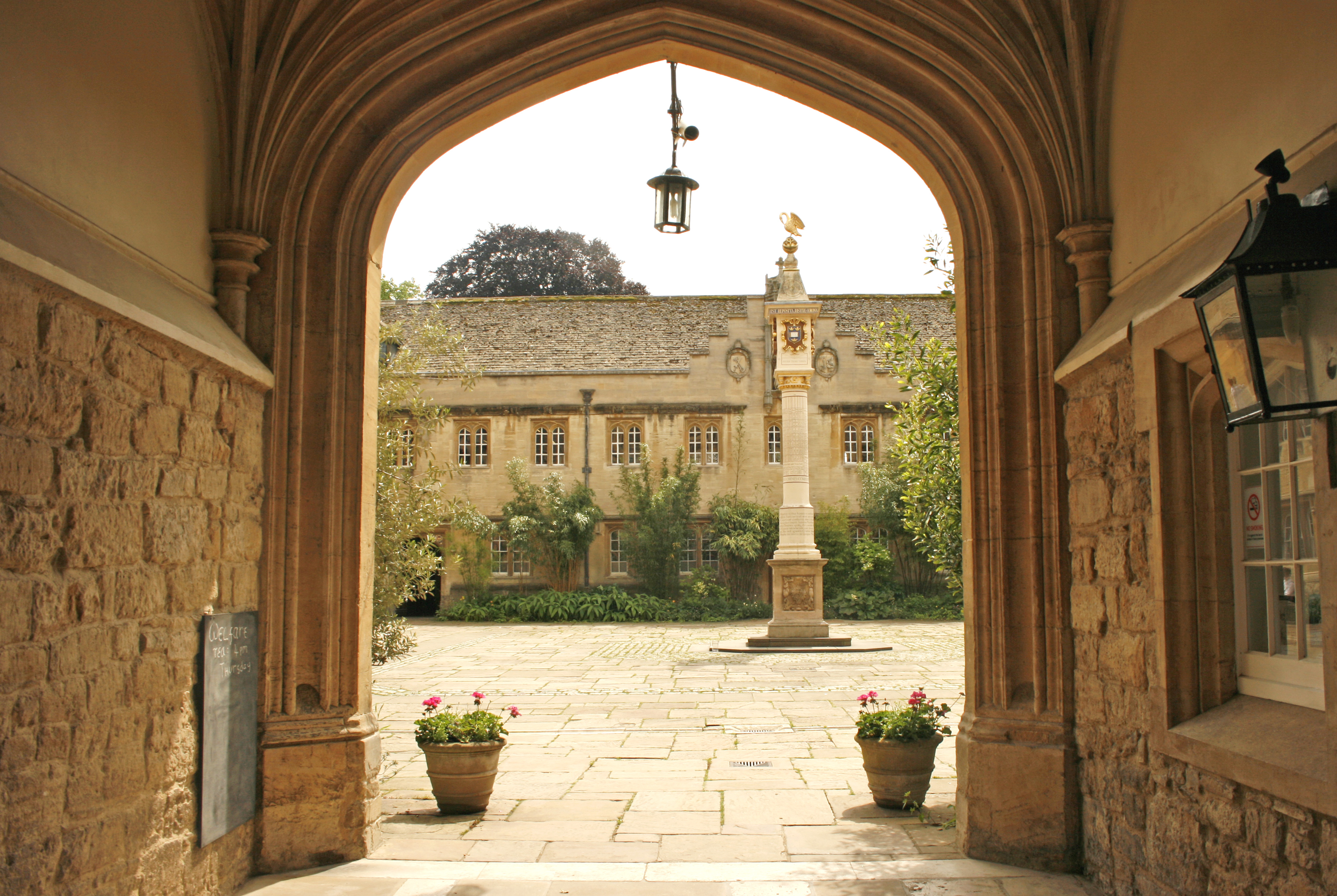
Merton Old Library-only daylight
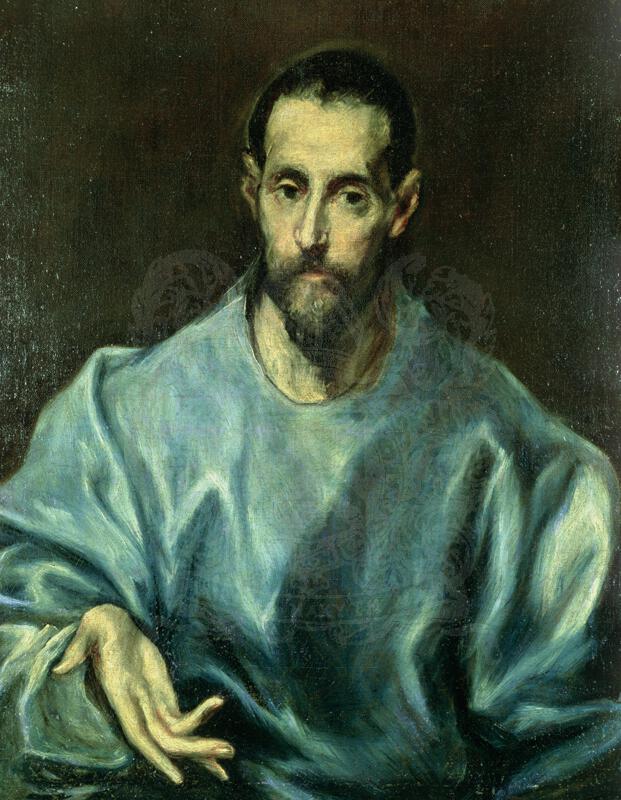
My first ever day in Oxford (commandeered as a taxi for an elderly friend to visit her sister) gave me nine hours to kill. Without a guidebook I found the Raphael drawings in the basement of the Ashmolean, the Light of the World at Keble, the old library of Merton, and it was just like the visiting of old friends. My feet knew the way and those that awaited my re-acquaintance. It was much the same with Florence, where Elizabeth Barrett Browning’s House was open for airing, and Fratelli Alinari was having a sale, and Donatello’s David bowed his beautiful head; I was pulled by an invisible guide. All were being heaped up for this book. I sat down in New College Chapel for a rest and looked up at El Greco…’
…lengthened by attenuated grief From the harsh world now mired in the real…
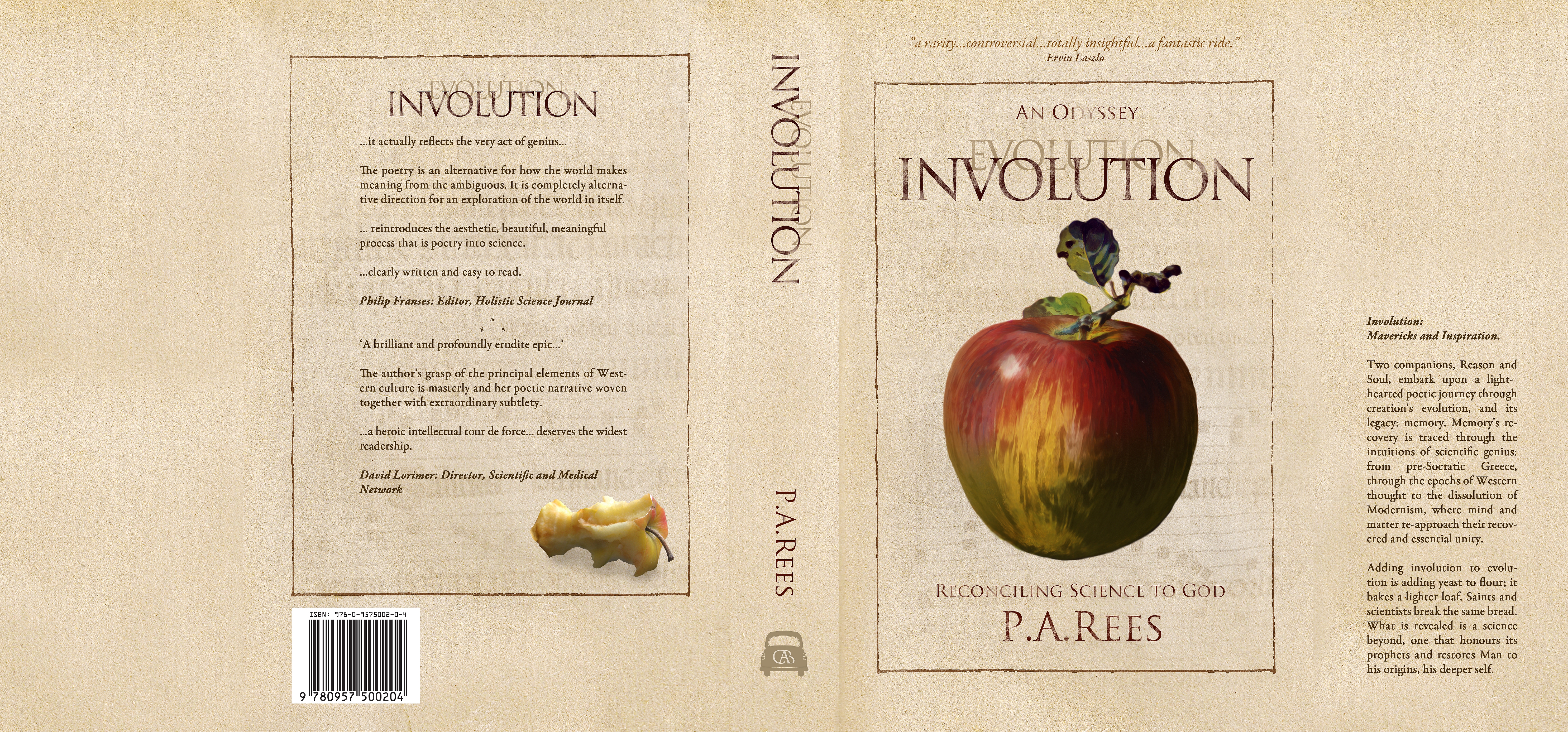
Even a junk shop near the Duomo provided the palimpsest that backs the cover and the website, a single page of parchment torn from a mediaeval leather bound and gilded tome. ‘Cinquecento lira, Madame …prego…’
IT was for this reason that I could not write just a scientific theory, because Involution has been a lived truth, not a theoretical one. The synchronies that penetrate ordinary life on a daily basis, the friends you know you had to encounter, (because you were waiting for one another), the improbabilities that seem so self evidently inevitable once they have occurred; all point to the evidence of Involution. The future is causative, it draws, because past memory demands restorations, enmity needs reconciliation, joy seeks a new encounter and thought creates the circumstances for each. We know we know. The moment NOW is the space-time moment in which such synchronies occur. The clocks all stop. The genius who reported that searched for the cosmological constant, and thought it had been a blunder. Simply because no-one else corroborated, and expansion of the universe prevailed. Now they are not so sure. The red shift that gave us expansion may be due to atoms gaining weight and not speeding away. The prevalent governs vision, which is another reason for Involution written for non scientists…giving it a breath of hope.
I think Einstein was struck by a mystical Damascus. Consciousness, simply the universal field of connection? If so where does fiction begin and end?
Writers weave that field, and live the lives encoded in their memory and contribute their unique colours to the cloth. Experience is their vat, their river’s washing stone, their linen, hung out in words taken by the wind.
Roz Morris’s generous hospitality to explore what influence music had on composition, what temporary inhibition and what links made of this book a life. Much more fun to play ‘away’.All invited.
Not so Undercover. But back to the Book that Wrote the Life.
You all thought this was a cop out. Didn’t you? You probably believed ‘she’ was too lazy to flog a book so she wants to distract us, getting her book to tell stories. Tall stories.
Has anyone thought what the new resurrection of the story teller, the spoken word, the poet rapper, the performance poet, might indicate? The spoken word. Logos. in the beginning was the Word…and the word was…
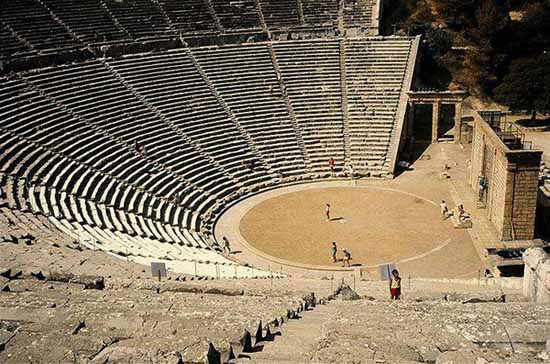
It seems there is a return to the Theatre like Epidaurus and all those other acoustic marvels where poetry and dramatic art drew crowds, and bequeathed us, England rather immortally through our Bard, every term still used, comedy, tragedy,dialogue, character, metre and chorus. We all use these in books, in music, and think in dramatic terms in how to arrest and hold attention. Dramatic art is bred in the bone, but what very few know is the recent evidence that DNA is the proto-language, with syntax, sequences, homonyms and pages, read like a novel. How else does a leaf distinguish itself from a stem, except by awaiting the chapter called leaf, and being summoned on stage…’your solo now, read distinctly… take it away…’ Each cell has the whole script, so reading out protein lines puts when and where centre stage. Even DNA has story telling skills.
I hate to do an ‘I told you so…’ but Involution as a thesis is not surprised at this return to early art through stories, it has appeared itself to suggest that Mankind as a whole has returned to origins, so it is good to be part of, and demonstrate what it claims to expose. S’cuse us while we take a bow.
Story telling, the most ancient art and means of advance, is establishing itself as the ultimate spontaneous culture by which we change and challenge one another. That is what lay behind settling my ‘Careless Talk’ blog at the fringe of the marketplace and hoping some might gather round to listen and in time to speak. As yet I can not promise an audience chez moi ( everybody is so busy negotiating and selling, clever ways to sell other things, mostly) which makes the generosity of this invitation to introduce music doubly generous. I only have a story to tell, and nothing to sell. I do admit it is a big story.
Today I am invited out of the glare of the Marrakech market square to take a glass of mint tea in the shadow of Roz Morris’s ‘The Undercover Soundtrack, as a guest to talk about what music contributes to my writing. It has contributed a great deal, but the one thing I failed to mention on her blog ( it seemed a tad ungracious) was that music took up the podium of life and for many years prevented any writing at all. Instead it brought my feet back to earth but essentially left my head in the clouds. Practice, bows, scores,strings and instruments, and endless travel to expensive maestros meant time to listen to a great deal, but damn all composition of my own until later and distilled through the pipette of memory. A bit like soaking words with an infusion of saffron: pricey, coloured and often dangerous but then exotic words are only exotic if unfamiliar. On the whole I am for making more of them familiar, to give more options and different keys, but I know I play with fire. Another consequence of Involution is the demand for simplicity and minimalism. Good in theory but sometimes a cuisine minceur, pretty on the plate but unsustaining, hungry an hour later. Please do not mistake me as serious,(long words plus Beethoven means serious? Why?) I feel like one of those Buddhists setting fire to another kind of saffron.
Someone once said that it was obvious I had never suffered because I used too many words, and much too easily! It is one area where I quarrel with received opinion that one must be very parsimonious with words. I can quite see that too much confusing spice cancels out, and discrimination is the essence of the pinch to apply, but oh the sweet economy of finding le mot just. ( Another taboo transgressed, but who said we had to stick to one tongue and why is it lazy to use another?) Breaking all barriers would make a for a profusion of nuance…I love German for its effortless emphasis, French for its precision, English for its limitless evocation, and Afrikaans for its irreverent comedy. Why deny any a place in the sun? I wonder if Russian is as poetic as Russians claim themselves to be. Now they are serious!
Those of you never visited by music except turned on and off by a switch have much to be thankful for. I just do not want you to think I am as weighty as my aspirations suggests,(or that Beethoven is all I care about- you have not seen me jive to a penny whistle) because like you I am only a story teller.I just would like the story to manage what music can, and change the DNA spiral of science. To shimmy up between those mirror coils and explode in the brain. So really what I am saying is music lies deeper than words, but the tumbling waves of words sometimes can knock us off our feet and dump us on a different beach.
I want mine sometimes to do that. It does not have to be serious.
This Story Continues since we were interrupted on the 30th June…rather a lot of ‘media men about recently…’ (If you are late to this narrative this is the third episode, the others lie earlier, and may be ordered from the menu, right)
Now Let’s Focus on the Philosopher…
(Remember? We are on a pavement outside a café near Regent Street with the Bride (radiant? No wilting), the Groom (decidedly up-tight) two dachshunds (asleep) and the venerable Philosopher…
Opening Out. Where a German Jew learned English to teach Philosophy.
He stirs his coffee thoughtfully.
He has all the time in the world. It is the world that interests him. The Groom makes extravagant play with the handle of a briefcase. The Bride strokes a sleeping sealskin Hund, and waits for the revelation she is sure will come… The hovering waitress gestures to another…they know this old codger and he ‘wants watching’.
‘You are an academic I see? The Philosopher watches the Groom, fiddling while his wife is licked with small tongues of mortifying flame.
‘Anything wrong with that?’ says the Groom, certain this conversation will end up his to skin. He is already sharpening a paring knife.
‘Not wrong. But everything in books? You enjoy books?’ The Philosopher seems to consider that perverse. He sips his coffee and spoons out sugar from its depths and licks reflectively.
‘They pass the time…’ The Groom will stay as long as coffee must be drunk but not a moment more. He has prepared the confident escape. The bride looks at her diminished husband thoughtfully. Three days ago he reigned and cut into a tiered cake.
‘Ah time! Time hangs heavy then?’ The Philosopher looks at the Bride with his head to one side, as though she were an uncertain enterprise with… promise?
‘This wife of yours, does she have any place in this oh-so-heavy passing of time? Hmmm? Seems to me she is worth looking at. Ever look at her?’
‘I think I’ve seen her before…’ said the Groom
‘Mein Gott. You said that before too. For you the past is always over, nicht? Caput. Finished. Her ears you also saw before, so also not relevant. I expect once you have heard Brahms he is finished too. How will I find anything you care about? So what are you going to do? I suppose you intend to return to South Africa? You are blind enough to do that too?’
‘Of course. It’s our home.’ It was said with bravura but now the Groom was squirming with the note of a plea in the voice. Nobody had mentioned South Africa. The Bride was tempted to save him but held back. There was a surgical precision in what was happening. This surgeon was not yet spilling blood or tears, just separating connective tissue to expose the palpitating vessels beneath.
‘Ja, your home! What sort of home is one with bars on the windows? My niece lives there. She goes in for books too. Hides behind books like you do. I know about books, sometimes I even write them. Young man, let me show you etwas…’ The Philosopher reached inside his jacket pocket and pulled out a wad of folded paper. He extracted a small booklet and opened it. ‘Do you know what this is? See. Read it…’ He held it out for perusal.
‘It looks like a post office savings book…’ The groom had grasped at something other than the reproach in those eyes. ‘Just sums of money…’
The Bride was leaning forward to look at the name, written across the top.
‘Quite a lot of money, every month? Gut Ja? You know what for? That is my compensation from the German Government… for the death of all my family, in Theresienstadt, Auschwitz, wiped out…all the best… and they were just like you. Not one would listen in nineteen thirty three…none of them believed me…I left, they stayed. So this money is my payment for being right. And for them being deaf and blind. I get even an addition for looted paintings nobody can find…Now I can see it’s a waste of time talking to you so if you don’t mind I will buy your wife a present….Come my dear, give an old man the pleasure of your arm.’ He left a scatter of coins in a saucer.
Still haunted by a ghost
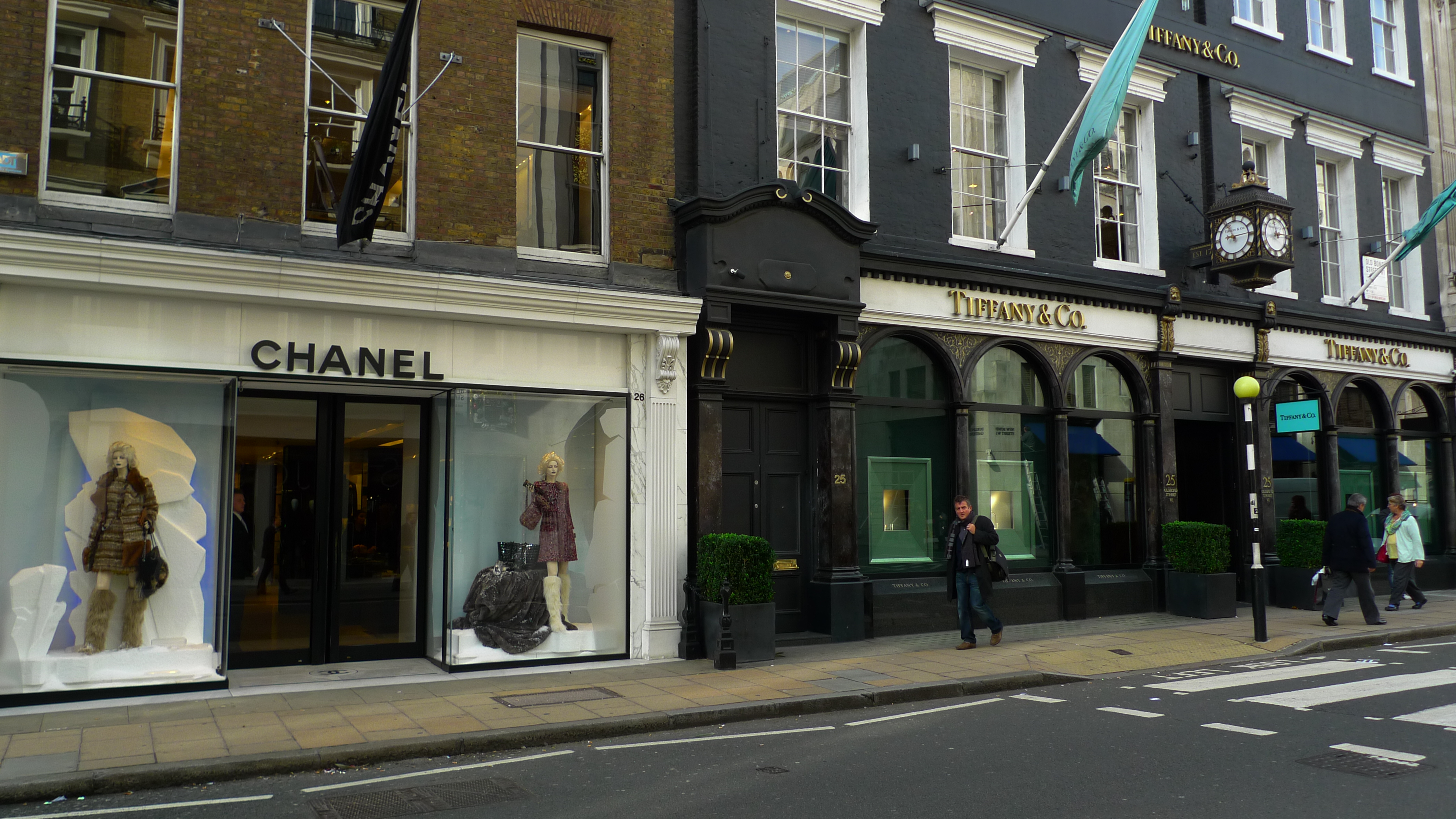
The Philosopher led the Bride into the aisle of a busy and newly ploughed field. His dogs were followed by the Groom red with shame and lost. Something clean and sharp had penetrated, and although there was no wound, he felt he might be breathing his last. The cheerful others, that wife he no longer knew, entered a small accessory shop in Bond Street.
The Groom, no longer dishy, waited outside for this alchemy to take its course, the erudite tramp who had picked up his wife without ado and borne her away, leaving him like a gutted stag on the hard stones of a city.
‘Silk stockings I think ja? Christian Dior. What colour would you prefer?’
‘Grey? replied the Bride. She realised that protest would be ungracious, since her other half had so churlishly offended.
‘Now, I would like stockings with seams, a stairway to Paradise, but you are a modern girl so I expect you like seamless…such a pity…’
The package was handed to her with an inclination of the Philosopher’s head and a slight courtly bow. He took her arm and led her out where he handed her to her husband.
‘One last thing…’ he addressed the Groom ‘One day you will have cause to remember me. You will lose your wife…perhaps not for awhile, but it is certain…’ He turned to the Bride.
‘Goodbye, my dear. I wish I might have done more’
The Bride kissed him and watched as he strode away. She knew a precious chance had been lost. She waited until he turned the corner before gathering up the boy she had married.
‘Are you interested in his books?’ she asked.
‘What are you talking about?
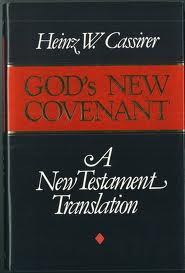
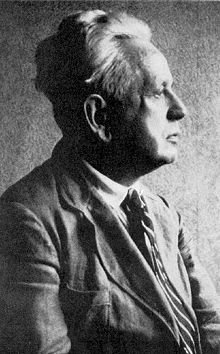
‘That was Professor Heinz Cassirer. I expect he has written a few…
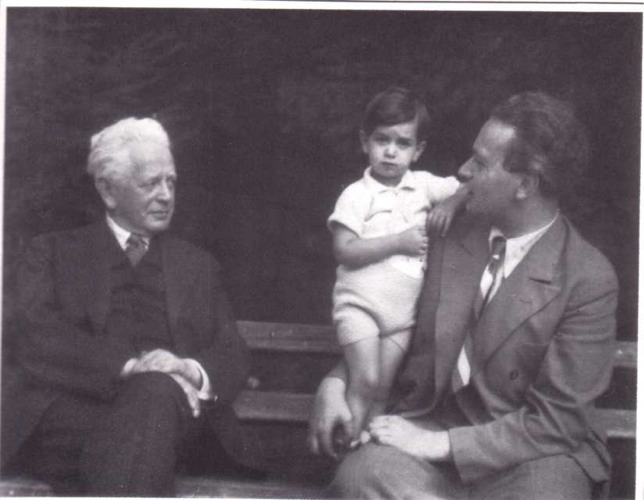
Ernst Cassirer. Father
(Foyles Bookshop had only two volumes. Since he had left Germany as a Jew it was surprising to find one was a translation of the New Testament.)
So there you are. That was when I, the Book, spoke up and planted my irretrievable seed. The Bride never forgot the Professor of Philosophy whose father, Ernst, was an authority on Kant, but who, himself, found other things worthy of attention, like the slow death of love planted where none could grow, and St Paul on the Road to Damascus because clarity was what he valued.
I wonder what that Jew turned Gentile would make of me…his ‘other’ book? He infected my Bride and they spilled much the same story, and she now as old as he was…
Here is his Obituary (found among the virtual papers of a dynasty wiped out by Hitler and scattered to the few who had listened.
Heinz Cassirer 9 August 1903-20 February 1979
I will not weep for Heinz at Hampton Court Where strangers spun their strands of discontent While he wove dramas from each dull event, Perceived the truths their breeding would distort, And took delight in wit or sharp retort. No tears where train or town or tenement Produced disasters he could not prevent – Or where he flouted petty rules for sport. But when no splintered statements fly my way And no infuriating jokes contrive To block the boring mill-race in my head, He will be missed, for, on that empty day, The world will seem a little less alive Because that shrewd, volcanic man is dead.
– Grace Luckin ( with respect and hopefully consent- Found in the Cassirer Family Online Archive.)
Tell us about your fascinating book Involution, Reconciling Science to God.
The book retakes the scientific Odyssey of the past 3000 years to offer an alternative vision. There are two aspects, the poetic narrative and the scientific hypothesis, equally unorthodox now, but actually no less than science’s return to the perennial philosophy familiar through the ages. Science is now clothed in the spiritual , but this book suggests evolution always has been the co-creation of God, and science equally the means of His Self-knowledge. Love is unstated but lurks in aesthetics, ideals, self forgetfulness, in those that led the adventure of consciousness.
The skeleton of this work rests on three simple and related hypotheses:
That the entire experience of evolution has been encoded at different levels (involution) most probably in the superfluous junk or ‘fossil’ DNA. This is the experiential basis of molecular and cellular memory. It is present in each cell and all forms.
That science has evolved through the maverick self-forgetful contemplative genius recovering fragments of evolutionary memory. (Making contact with his molecular or cellular DNA- all knowledge is recollection-Plato)








 INVOLUTION: Science and God: Reality Redefined